Picture your neighbor's yard on a December evening in Naples or Orlando — every shrub glowing with warm white light, the bougainvillea edged in multicolor sparkle, the thick podocarpus hedge perfectly outlined in soft radiance. That's not luck. That's a plan. Lighting Florida's unique tropical and subtropical landscaping is its own art form, and when done right, it elevates a home from simply decorated to genuinely breathtaking.
Whether you're lighting a row of croton shrubs, a sprawling ixora hedge, or a perfectly trimmed boxwood, the approach you take — the products you choose, the installation method, and how you protect your plants — makes all the difference. This guide breaks it all down so you can light smarter, not harder.
Net Lights vs. Tucked Mini Lights: Which Method Is Right for Your Shrubs?
The first decision every homeowner faces is whether to drape a net over a shrub or tuck individual strands of Mini Lights deep into the branches. Both methods work beautifully — but they work best on different types of shrubs.
Net lights are ideal for shrubs with a defined, uniform shape: think rounded pittosporum, clipped viburnum, or low-growing liriope borders. The grid pattern of a net light drape gives an even, consistent glow across the top surface and sides of the shrub. They install quickly and look polished, making them perfect when you have a long hedge run or dozens of matching shrubs to cover. The downside? They sit on the surface, so a bushy or irregularly shaped shrub can leave dark shadows and gaps underneath the net.
Tucked Mini Lights, on the other hand, create depth and dimension. When you weave strands of warm white or multicolor mini lights into the interior branches of a full, dense shrub like a firecracker plant or a Florida-native beautyberry, the light glows from within. This technique makes the entire plant appear to radiate light rather than simply reflect it from the outside. It's the method professional installers favor for statement shrubs, specimen plants, and anything with irregular growth patterns.
A practical rule of thumb: use net lights for uniform, manicured hedges and borders; use tucked mini lights for feature shrubs, round specimen plants, and anything larger than three feet in diameter. For the best curb appeal, many Florida homeowners use both — nets along the driveway border and tucked strands on the accent shrubs flanking the front door.
For more professional installation strategies, check out our guide on how to wrap trees with lights using professional techniques. The same principles of layering and depth apply beautifully to large shrubs as well.
How Many Light Strands Do You Need Per Cubic Foot of Bush Volume?
One of the most common mistakes homeowners make is underestimating how many lights are needed to achieve that full, lush glow — especially with Florida's dense tropical foliage. Thin coverage looks sparse and amateur. Here's how to calculate correctly.
Start by estimating the cubic volume of your shrub: multiply height × width × depth in feet. A rounded shrub that's 3 feet tall, 3 feet wide, and 3 feet deep has roughly 27 cubic feet of volume. Now apply this general guideline:
- Tucked Mini Lights (surface and mid-depth coverage): Use approximately 1 strand of 100-count mini lights per 1–1.5 cubic feet of shrub volume for a full look.
- Net Lights (surface coverage only): Measure the top surface area in square feet and use one standard 4×6 net per 24 square feet of coverage, overlapping slightly at the edges.
- Dense tropical foliage (ixora, croton, schefflera) absorbs more light than open shrubs. Add 20–30% more strands to compensate.
For our 27 cubic foot example shrub with tucked mini lights, you'd want 18–27 strands of 100-count lights for a professional result. That sounds like a lot, but it's the difference between a shrub that glows and one that merely twinkles. When you hire a residential installation team, they bring the precise quantity needed to achieve the look you're after — no guesswork required.
For shrubs where you want a bolder, more dramatic statement, consider supplementing mini lights with strategically placed C9 bulbs on the outer silhouette. The larger C9 bulb format — available in warm white, red, green, and multicolor — adds visual punch and definition to the roofline and edge of large foundation shrubs. Learn more about choosing the right bulbs in our C9 bulbs complete buyer's guide for Florida homeowners.
Keeping Florida's Tropical Shrubs Healthy Under Lights
Florida's climate is a lighting installer's dream and a plant's potential challenge. The combination of December humidity, occasional winter warmth, and dense foliage creates specific concerns when it comes to keeping your shrubs healthy throughout the holiday display season.
Heat Management: LED Mini Lights are essential in Florida — not just for energy efficiency, but for plant health. Traditional incandescent bulbs generate significant heat when in contact with foliage for extended periods. LED lights run cool to the touch, dramatically reducing the risk of leaf scorch on sensitive plants like gardenias, azaleas, and tropical crotons. If you're using C9 bulbs along the perimeter of larger shrubs, ensure they're spaced at least 12 inches from dense interior foliage.
Moisture and Air Circulation: Florida's humidity means fungal issues are a real concern when lights are densely packed against foliage. Avoid leaving lights installed for more than 6–8 weeks without inspecting the plant underneath for signs of mold, mildew, or fungal spotting. When tucking mini lights into shrubs, avoid compressing branches tightly together. Leave natural air gaps where possible to maintain airflow through the plant canopy.
Watering Considerations: During the dry season (November through April), Florida landscaping may need more irrigation than homeowners realize. Lights don't prevent watering — your irrigation system can run normally with properly secured LED lights installed — but hand-watering dense shrubs at the base rather than overhead prevents water from sitting against foliage held in place by light strands.
Timer Best Practices: Running lights 24/7 is hard on plants and on your power bill. Use a programmable timer to run your shrub lights from dusk until around midnight. This gives plants the dark rest period they need, especially if they're sun-loving tropical species like ixora or bougainvillea.
If you're handling a larger landscape project, our Florida home lighting recap covers how professional installation protects your landscaping while maximizing visual impact year-round.
Choosing the Right Light Colors for Florida Landscaping
Color choice transforms the personality of your entire outdoor display. Florida's lush green foliage provides a stunning natural backdrop, and the right light color either harmonizes with it or creates beautiful contrast.
Warm white is the most popular choice for Florida landscapes — and for good reason. Against deep green foliage, warm white mini lights create an elegant, timeless glow that complements the natural environment. Warm white is also highly versatile: it works for both holiday and non-holiday displays, making it a smart investment for homeowners who want year-round curb appeal.
Multicolor lighting brings energy and festivity to the yard. It works especially well on large, dense shrubs where the mix of colors creates a jewel-like interior glow. Multicolor mini lights tucked into a podocarpus or clusia hedge create a magical effect that's perfect for families and high-traffic neighborhoods where holiday spirit is part of the community culture.
Red and green combinations offer a classic, traditional holiday palette. C9 bulbs alternating in red and green along the top edge of a foundation hedge make an unmistakably festive statement. Paired with warm white tucked mini lights in the interior of the shrub, the result is layered, rich, and deeply holiday.
For inspiration on combining colors and light styles across your full property, browse our project gallery featuring completed Florida residential and commercial installations.
Adding Finishing Touches: Garlands, Wreaths, and Bows
Shrub and bush lighting doesn't exist in isolation — it's part of a complete landscape design. Complement your illuminated shrubs with decorative elements that add texture and dimension at eye level.
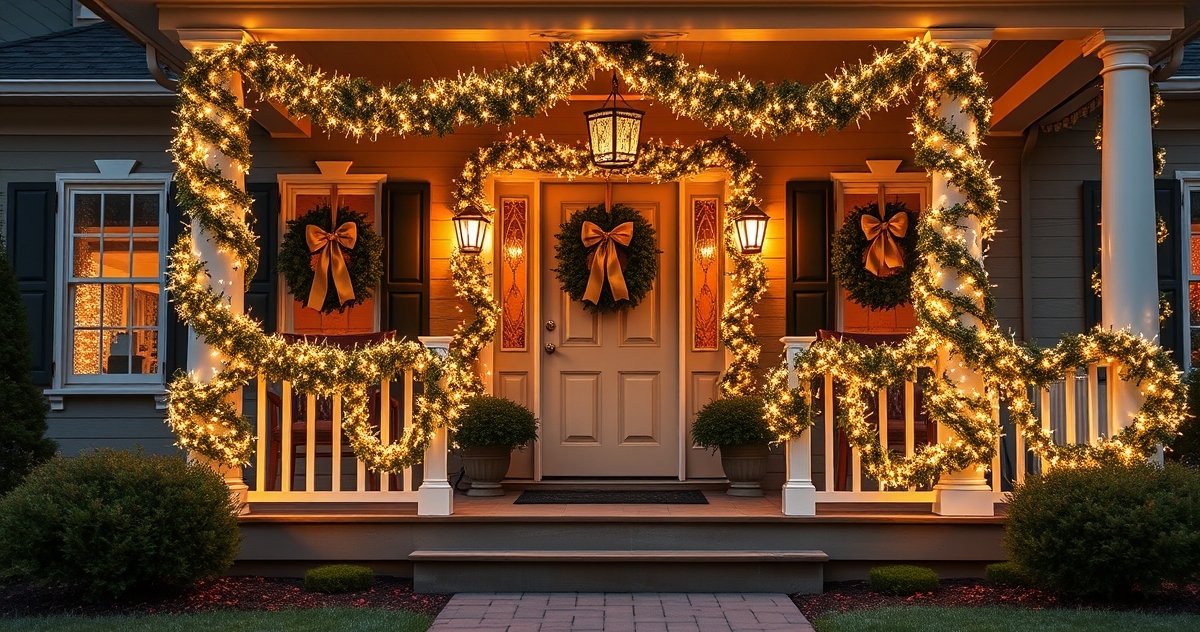
Garlands draped along fence lines or porch railings adjacent to your lit shrubs tie the visual story together. Lit garlands in warm white echo the glow from your shrub mini lights and create a continuous line of light that guides the eye through the landscape.
Wreaths hung on gates, garage doors, or exterior walls near your shrub displays add a traditional, welcoming focal point. When backlit or positioned in front of illuminated shrubs, wreaths appear to float in light.
Bows in red, gold, or plaid ribbon attached to larger shrubs or at the corners of hedge rows add a handcrafted, personalized touch that distinguishes your home from every other house on the block.
The best displays combine lighting techniques with decorative accessories thoughtfully. Our custom design service helps homeowners across Florida create cohesive, professionally styled outdoor displays that reflect their personal aesthetic.
Frequently Asked Questions
Can I leave mini lights on my Florida shrubs all winter without damaging the plants?
Yes, with the right precautions. LED mini lights generate very little heat and won't scorch foliage under normal conditions. Use a timer so lights run for no more than 6–8 hours per night, inspect plants every two weeks for signs of moisture buildup or fungal issues, and ensure your irrigation system is still operating normally. Most Florida tropical shrubs handle a full holiday season (6–8 weeks) without any negative effects when LED lighting is used properly.
What's the best way to light an irregularly shaped Florida shrub like a bougainvillea?
Tucked mini lights are the ideal method for irregularly shaped and sprawling plants like bougainvillea. Rather than trying to force a net over an uneven shape, weave strands of warm white or multicolor mini lights through the interior branches, working from the base outward. This technique highlights the natural shape of the plant rather than covering it, and the thorny structure of bougainvillea actually helps hold light strands in place naturally.
How do C9 bulbs work with shrub lighting, and where should I use them?
C9 bulbs are best used as accent or outline lights rather than for full shrub coverage. Their larger size and brighter output make them perfect for defining the top silhouette of foundation hedges, framing large specimen plants, or creating a border effect along a driveway hedge. They pair beautifully with tucked mini lights — the mini lights provide the interior glow while C9 bulbs define the outer edges. Always use LED C9 bulbs in Florida to minimize heat output near foliage.
How many net lights do I need for a standard Florida hedge row?
For a hedge row, measure the total length in feet and the average height. A standard 4×6 foot net covers approximately 6 linear feet of a low hedge (under 2 feet tall). For taller hedges (2–4 feet), plan for two nets stacked vertically per 4–6 foot section. Always buy 10–15% extra to account for overlapping at seams and any irregular sections of the hedge.
Is it worth hiring a professional installer for shrub and bush lighting in Florida?
For most homeowners with more than a few feature shrubs or a long hedge run, professional installation is absolutely worth it. Professionals bring the exact number of strands needed for full coverage, know how to protect Florida's tropical plants during the installation process, and guarantee clean, commercial-grade results. They also handle removal and storage, protecting your light investment for future seasons. Call us at (908) 336-2625 or visit our free quote page to find out what professional installation looks like for your property.
Florida's landscape is unlike anything else in the country — and that's exactly why it deserves lighting that matches its beauty. From the first warm white glow tucked into an ixora hedge to a full foundation display of multicolor mini lights and C9-outlined palms, your yard has the potential to be the most beautiful one on the street this holiday season. At Holiday Lights Decor Florida, we've been bringing Florida landscapes to life with professional installation since 2006. Explore our residential services or reach out to our team today — because the right lighting plan starts with a conversation.