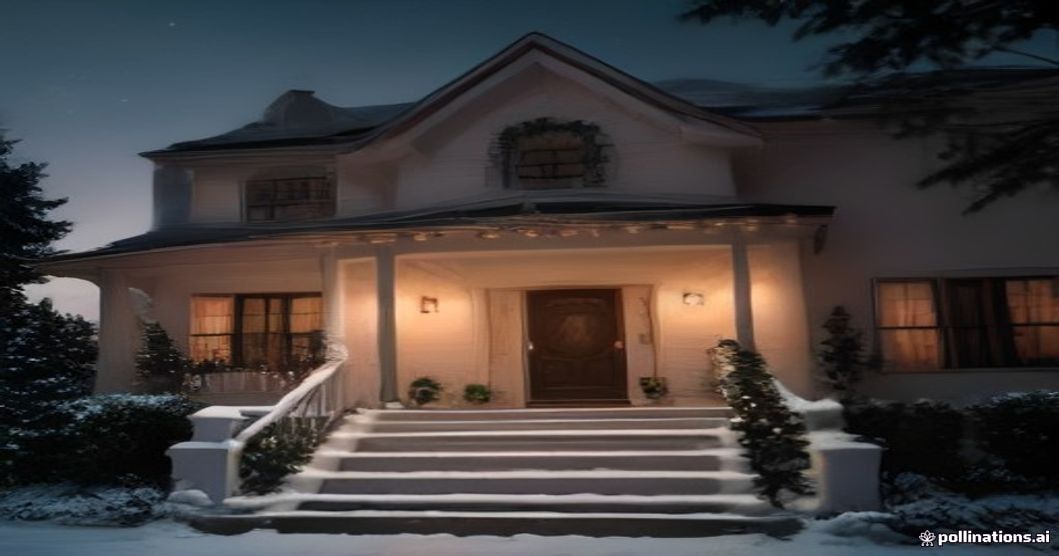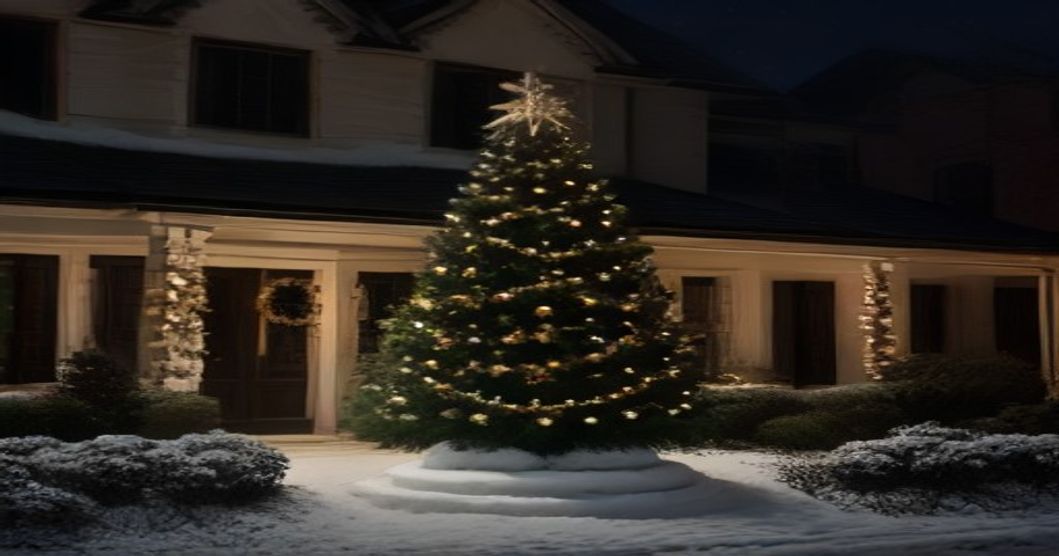
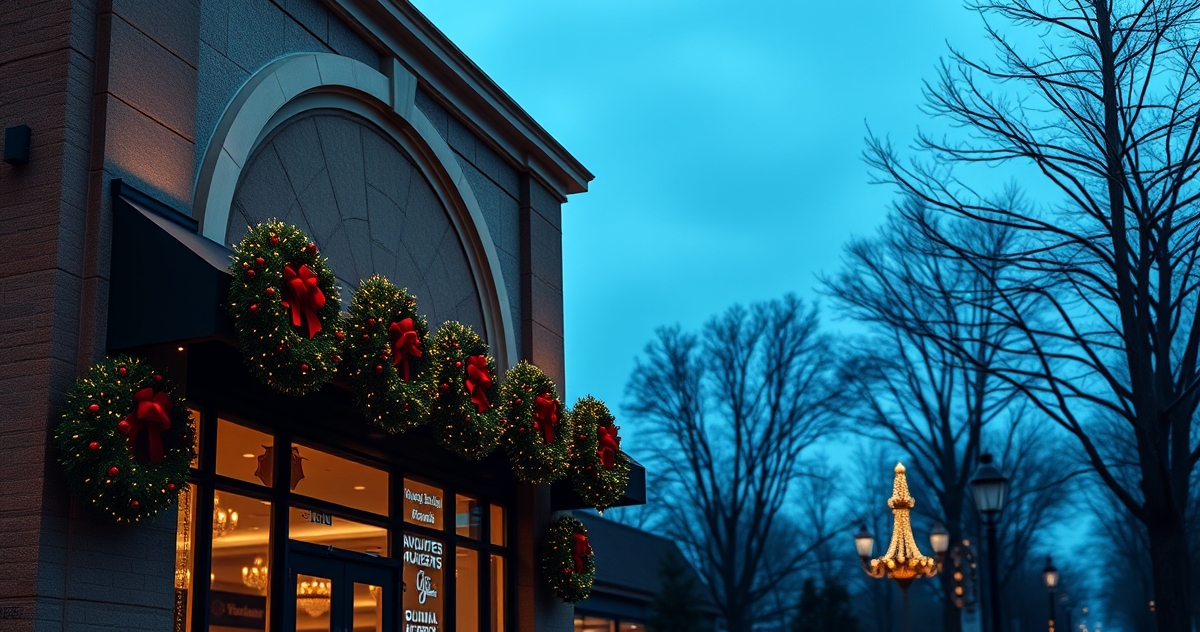
Picture your neighbor's roofline on a December evening in Naples or Orlando — those bold, evenly spaced bulbs glowing warm white against a deep blue Florida sky. That signature look? It's almost always C9 bulbs doing the heavy lifting. Large enough to see from the street, sturdy enough to handle Florida's heat and humidity, and available in a dazzling range of colors, C9 bulbs have been the cornerstone of professional holiday lighting for decades. But choosing the right ones for a Florida home is a different conversation than buying bulbs designed for a cold-weather climate. This guide covers everything you need to know.
What Makes C9 Bulbs Different from Other Holiday Lights?
C9 bulbs are the large, faceted bulbs you typically see lining rooflines, outlining driveways, and wrapping commercial storefronts. The "C" stands for cone-shaped, and the "9" refers to the bulb's diameter — nine-eighths of an inch, making them significantly larger than C7 or mini lights. Their size gives them a dramatic, classic look that reads beautifully from a distance, which is why they're the preferred choice for roofline and landscape applications across Florida's sprawling properties.
Unlike mini lights, which create a soft, twinkling curtain effect, C9 bulbs deliver bold, individual points of light. They come in two main technology types — incandescent and LED — and understanding the difference matters more in Florida than almost anywhere else in the country.
For a broader look at how these bulbs fit into a complete residential holiday display, visit our residential holiday lighting page to explore full-service installation options tailored to Florida homes.
LED vs. Incandescent C9 Bulbs: Why Florida's Heat Changes Everything
This is the most important decision Florida homeowners face when buying C9 bulbs, and the climate tips the scales decisively toward LED. Here's why:
- Heat tolerance: Traditional incandescent C9 bulbs generate significant heat of their own. In a state where December temperatures can still reach the high 70s — and where bulbs may be installed as early as October — that added heat accelerates filament burnout and shortens bulb lifespan considerably. LED C9 bulbs run cool to the touch, making them far more durable in Florida's warm conditions.
- Energy consumption: A standard incandescent C9 bulb draws about 5–7 watts per bulb. An LED C9 equivalent uses roughly 0.5–1 watt. On a 100-foot roofline with bulbs spaced every 12 inches, you're looking at approximately 100 bulbs. That's 500–700 watts with incandescent versus 50–100 watts with LED — a dramatic difference on your December electric bill.
- Color retention: Florida's intense UV exposure can fade the colored coating on incandescent bulbs over a single season. Quality LED C9 bulbs use UV-stable resins that maintain vibrant warm white, multicolor, and red/green hues year after year.
- Moisture resistance: Florida's humidity and frequent December rain require bulbs with solid moisture resistance. LED bulbs, with no filament to corrode, handle wet conditions better than their incandescent counterparts.
- Lifespan: Quality LED C9 bulbs are rated for 25,000–50,000 hours compared to 1,000–3,000 hours for incandescent. For a homeowner who displays lights for 6–8 weeks each year, that means 10+ seasons from a single set of LED bulbs.
The upfront cost of LED C9 bulbs is higher, but the energy savings, reduced replacement costs, and superior performance in Florida's heat make them the clear long-term winner. Most professional installers — including our team at Holiday Lights Decor Florida — have transitioned almost entirely to LED for residential and commercial installations.
Choosing C9 Colors: What Works Best for Florida Rooflines and Landscapes
Color selection is where C9 displays go from ordinary to extraordinary. Florida homes have unique characteristics — stucco exteriors, terracotta rooflines, lush tropical landscaping, and year-round greenery — that influence which color combinations look best.
Warm White C9 Bulbs
Warm white C9 bulbs are the most popular choice for Florida homeowners, and for good reason. The soft golden glow complements the warm tones of stucco, brick, and terra cotta rooflines beautifully. A continuous run of warm white C9s along a roofline creates an elegant, timeless look that appeals to HOA communities and upscale neighborhoods. Warm white also blends seamlessly with outdoor landscape lighting already installed on most Florida properties, creating a cohesive, layered effect.
Multicolor C9 Bulbs
Multicolor C9 bulbs bring energy and festivity to any display. Traditional multicolor strings typically mix red, green, blue, orange, and yellow bulbs in a repeating pattern. For Florida's bright outdoor environments, multicolor combinations look especially striking against white or light-gray stucco homes where the colors can truly pop. Multicolor C9s work particularly well for commercial properties, municipal displays, and families who want a bold, celebratory look that's visible from the street.
Red and Green C9 Combinations
A red and green alternating pattern delivers a classic Christmas aesthetic that never goes out of style. This two-color combination works beautifully for framing garage doors, outlining windows, and wrapping columns — architectural features common to Florida's Mediterranean and Spanish-style homes. Red and green C9 bulbs also pair naturally with garlands, wreaths, and bows in traditional holiday colors, allowing you to build a cohesive theme across your entire display.
Color Combinations by Application
- Roofline: Warm white for elegance; multicolor for maximum curb appeal; red/green alternating for traditional charm
- Driveway lining: Warm white or cool white stakes for a runway effect; multicolor for a festive entrance
- Palm trees and tropical landscaping: Warm white wrapping creates a sophisticated look that complements Florida's natural greenery
- Commercial storefronts: Multicolor or warm white C9s along rooflines paired with garlands for a welcoming, professional look
- Fence lines: Red/green alternating patterns create a traditional border that defines property edges beautifully
If you're building a complete holiday display — including wreaths, bows, and garlands alongside your C9 roofline — check out our recent recap of Florida home lighting trends for inspiration on combining elements for maximum impact.
How to Calculate C9 Bulb Spacing for a Professional Look
One of the most common mistakes homeowners make is inconsistent bulb spacing — and nothing undermines a holiday display faster. Professional installers follow a simple formula to ensure perfectly even spacing every time.
Standard Spacing Guidelines
- 12-inch spacing (every foot): The most common professional standard. Creates a bold, dense look ideal for rooflines, ridge caps, and commercial applications. On a 60-foot roofline, you'll need approximately 61 bulbs.
- 18-inch spacing: A slightly more open look, often used for longer fence lines, driveways, or budget-conscious installations. Better suited to large properties where bulbs are viewed from greater distances.
- 24-inch spacing: Used primarily for very long runs — commercial parking lot perimeters, municipal street decorations, or properties over an acre. Less dense but still visible from a distance.
The Simple Calculation Formula
To calculate exactly how many C9 bulbs you need, use this straightforward formula:
(Total linear feet of display area ÷ spacing in feet) + 1 = number of bulbs needed
For example: A home with a 45-foot roofline, two 12-foot gable ends, and a 30-foot garage roofline totals 99 linear feet. At 12-inch spacing: (99 ÷ 1) + 1 = 100 bulbs. Always buy 10–15% extra to account for breakage, replacements, and adjustments.
Cord and Socket Considerations
C9 bulbs require SPT-1 or SPT-2 zip cord with pre-molded sockets. SPT-2 cord (with heavier insulation) is recommended for Florida's outdoor conditions where UV exposure and moisture are concerns. Most C9 socket cords come pre-spaced at 12 or 24 inches. If you're purchasing separately, ensure your socket spacing matches your desired bulb spacing before you buy cord in bulk.
Most professional installations also use a maximum of 25 C9 LED bulbs per circuit run for safety — check the manufacturer's specifications before daisy-chaining multiple cords.
Installation Tips Specific to Florida Homes
Florida homes present unique installation considerations that differ from northern climates:
- Tile and metal roofs: Many Florida homes feature tile or metal roofing that requires specialized clips rather than standard plastic gutter clips. Use non-damaging all-in-one clips designed for flat tile, S-tile, or standing seam metal roofing to avoid cracking tiles or voiding roof warranties.
- Wind resistance: Florida's winter weather can include gusty cold fronts. Secure C9 cord firmly with clips every 12–18 inches along the roofline to prevent wind from dislodging lights or allowing cord to flap against the roofline.
- GFCI outlets: Florida's frequent rain makes GFCI (ground fault circuit interrupter) outlets essential for all outdoor holiday lighting. Ensure all your outdoor outlets are GFCI-protected before plugging in any display.
- Early installation: Many Florida homeowners install holiday lighting in October or November before the seasonal rush. LED C9 bulbs are safe to install and run in warm weather without the heat concerns that affect incandescent bulbs.
- Storage in humidity: Florida's year-round humidity can damage holiday lighting stored improperly. Use sealed plastic totes with desiccant packets to protect your C9 bulbs and cords between seasons.
Frequently Asked Questions
How many C9 LED bulbs can I connect in a series in Florida?
For LED C9 bulbs, most manufacturers allow up to 25 bulbs per run when connected end-to-end, but always verify your specific product's guidelines. Running too many bulbs on a single circuit can cause voltage drop, dimming, and potential safety issues — particularly important in Florida where outdoor electrical systems face moisture exposure. When in doubt, use a separate circuit or power supply for each run.
Will C9 bulbs hold up in Florida's heat and humidity year-round?
LED C9 bulbs are well-suited to Florida's climate. They generate minimal heat, resist moisture better than incandescent bulbs, and use UV-stable materials that won't fade in Florida's intense sunshine. Incandescent C9 bulbs, however, can struggle in Florida's heat, with shortened lifespans and color fading. For year-round outdoor applications, LED is always the recommended choice.
What's the best C9 color for a white stucco Florida home?
Warm white C9 bulbs are the most complementary choice for white or light-colored stucco homes — the golden tone adds warmth without clashing with the neutral exterior. Multicolor C9 bulbs also look stunning against white stucco because the bright colors pop dramatically against the light background. Red and green combinations are a solid traditional choice if your home features landscaping with deep green tropical plants.
How far in advance should I buy C9 bulbs for a Florida holiday display?
We recommend purchasing C9 bulbs by late September or early October at the latest. Florida's holiday decorating season starts earlier than in northern states — both because of the warm weather that makes installation comfortable and because professional installation calendars fill up quickly after Halloween. Waiting until November often means limited color availability and rushed installations.
Can I mix C9 LED and incandescent bulbs on the same string?
Technically you can mix them on the same cord, but it's not recommended. Incandescent and LED C9 bulbs operate at different wattages and produce different light intensities. Even within the same color — such as warm white — the tones rarely match perfectly between LED and incandescent, resulting in a noticeably uneven display. For a polished, professional look, stick with one technology type throughout your installation.
Whether you're planning a simple roofline display with warm white C9 bulbs or a full-scale multicolor showcase that turns heads on your block, getting the details right — bulb type, color combination, and spacing — makes all the difference. At Holiday Lights Decor Florida, we've been designing and installing professional-grade C9 displays for residential and commercial clients across Florida since 2006. If you'd rather skip the measuring tape and leave the roofline climbing to the professionals, our team is ready to bring your vision to life safely and beautifully. Call us at (908) 336-2625 or visit our residential holiday lighting page to explore our full range of services and start planning your display today.