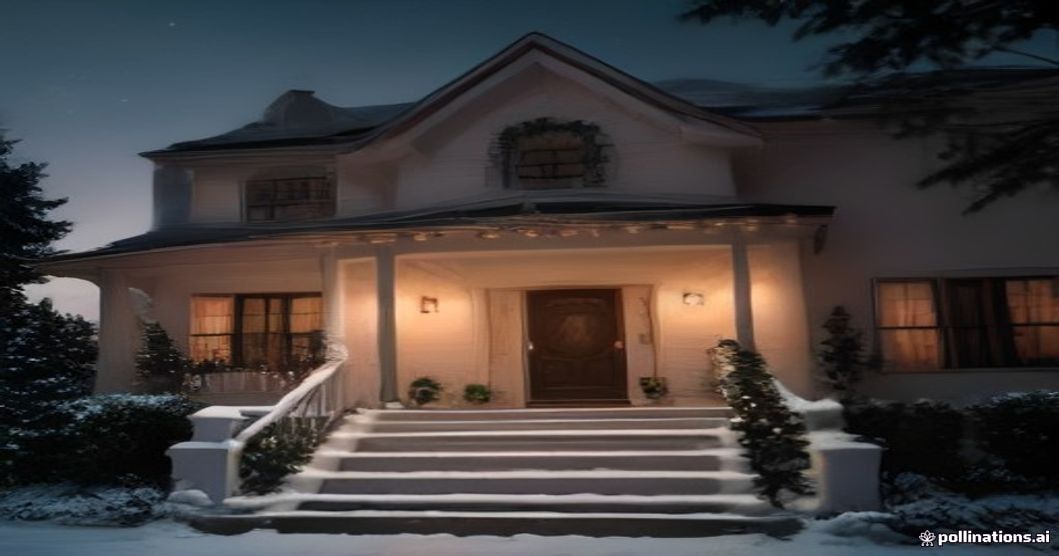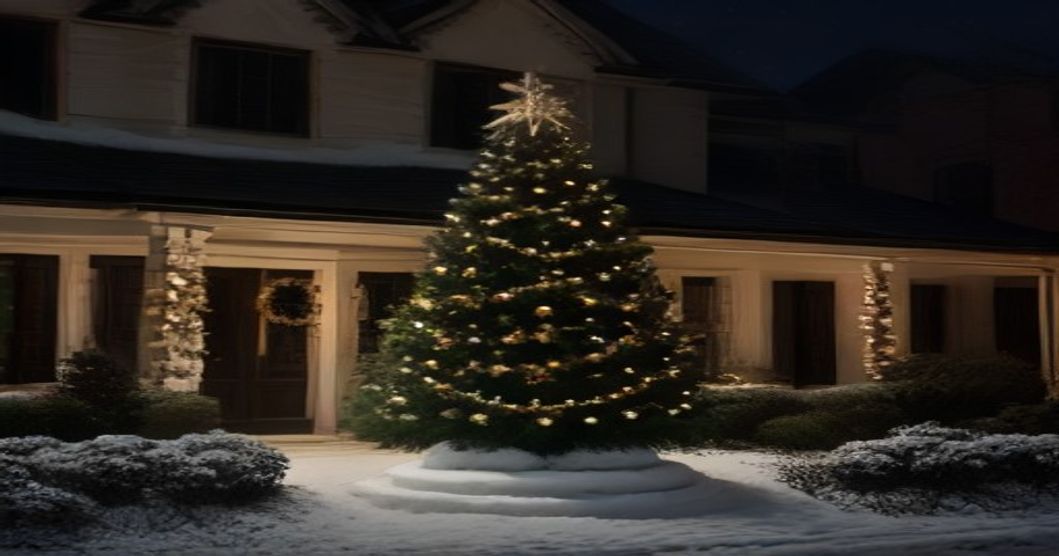
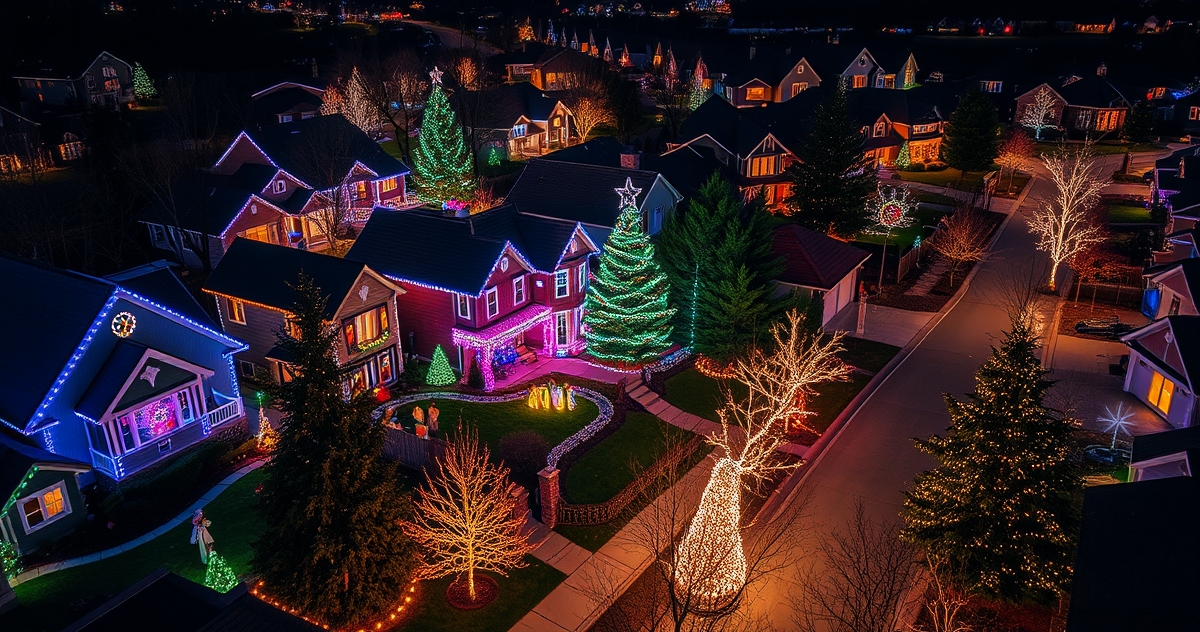
Picture your neighborhood at dusk on a December evening — most houses have a few strands tossed haphazardly over a tree, lights clumping in odd places, dark gaps cutting through branches, extension cords snaking awkwardly across the lawn. Then there's that one house where every trunk glows evenly, every branch is defined with light, and the whole yard feels like something out of a magazine spread. The difference isn't magic. It's technique.
Wrapping trees with Christmas lights professionally comes down to preparation, the right products, and a method that starts at the root — literally. Whether you're tackling a stately live oak in a Coral Gables backyard or lining a row of queen palms along a Sarasota driveway, these pro-level strategies will help you get results that stop traffic and earn compliments well into the new year.
Start From the Bottom: The Base-Up Wrapping Method
The single biggest mistake homeowners make is starting from the top or middle of a tree and working their way around loosely. Professionals always begin at the base of the trunk and work upward in tight, consistent spirals. Here's why it matters: starting at the bottom anchors your strand so gravity and wind won't pull it loose. It also gives you a natural path to follow without creating gaps or tangled crossovers that are nearly impossible to fix once a strand is fully deployed.
The base-up method works like this:
- Plug your first strand in before you begin. This lets you identify any dead bulbs immediately rather than discovering them after the entire tree is wrapped.
- Anchor the plug end at the base near a ground-level outlet or extension cord, leaving just enough slack to keep the connection out of standing water — especially important in Florida's rainy winters.
- Wrap at a consistent angle, typically 45 degrees, spiraling upward. Keep each loop approximately 2–3 inches from the previous one on the trunk, widening slightly as you move into major branches.
- When transitioning from trunk to branches, follow the branch in the same upward direction, wrapping back and forth rather than just outward. This fills the branch evenly rather than just outlining it.
- Zip ties or light clips can be used every few feet on the trunk to prevent slippage, particularly on smooth-barked trees like crape myrtles.
Avoiding tangles is really about keeping tension consistent throughout. Never let a strand go slack mid-wrap — a loop of excess cord will catch wind and unravel everything around it. If you run out of strand mid-branch, always connect the next strand at the point where the previous one ended, not back at the trunk.
How to Calculate the Number of Light Strings You Need
One of the most common questions we hear from homeowners is: How many strands do I actually need? The answer depends on what you're wrapping and what products you're using, but there's a reliable formula professionals use that starts with trunk diameter.
The Trunk Diameter Formula: For every inch of trunk diameter, plan on using approximately one foot of light string per vertical foot of trunk. So a trunk that's 6 inches in diameter and 5 feet tall before it branches would require roughly 30 feet of lighting just for the trunk portion. From there, estimate branch coverage by measuring the total linear footage of the branches you plan to wrap and multiplying by 1.5 to account for the spiral overlap.
Product choice dramatically affects this calculation. C9 bulbs are larger and spaced further apart — typically 12 inches between sockets — so a 25-foot C9 strand covers more visual distance but requires more careful planning to avoid gaps. C9 bulbs in warm white are a favorite for trunk wrapping on larger trees like live oaks because the generous spacing and bold glow suits wide trunks without looking overcrowded.
For detailed, fine wrapping on smaller trees, slender branches, and palm fronds, Mini Lights are the professional's go-to. A standard 100-count Mini Light strand runs about 33 feet and can be wrapped tightly in spirals just 1–2 inches apart. Cool white Mini Lights on a row of palms create that crisp, modern resort look seen along Florida's most photographed boulevards. Multicolor Mini Lights work beautifully on crape myrtles and ornamental trees where you want a festive, whimsical look rather than elegant uniformity.
As a quick reference:
- Small ornamental tree (trunk under 4" diameter): 2–4 strands of Mini Lights for trunk and primary branches
- Medium shade tree (4–8" diameter trunk): 6–10 strands Mini Lights or 3–5 strands C9
- Large canopy tree (over 8" diameter): 12–20+ strands depending on branch spread
- Palm tree (single trunk, frond cluster): 2–3 strands Mini Lights for trunk, 1 strand per frond for canopy coverage
Always buy 10–15% more than your estimate. Running out mid-tree and needing to make a hardware store run on a December weekend in Florida is a frustration you'd rather skip.
Florida-Specific Techniques: Palms, Live Oaks, and Crape Myrtles
Florida's native and signature trees each present their own wrapping challenges. Mainland holiday decorating guides assume you're working with spruce, pine, or maple — none of which grow commonly in the Sunshine State. Here's how to adapt your approach for the trees you actually have in your yard.
Wrapping Queen Palms and Sabal Palms
Palm trunks are tall, smooth, and cylindrical — in some ways the easiest tree to wrap cleanly. The challenge is the fronds at the top. For the trunk, use Mini Lights in warm white and wrap in tight spirals from the base upward. The smooth surface means you'll want light clips or clear tape rated for outdoor use to hold each loop in place — nothing stays put through Florida's December wind gusts without a little help. For the frond cluster, drape individual strands over each frond from the center outward, securing at the base and tip. Cool white Mini Lights on palms glow beautifully against the night sky and are a staple of Florida's coastal resort aesthetic.
Wrapping Live Oaks
Live oaks are the showstoppers of Florida tree lighting. With wide, sprawling canopies and dramatic branch structures, a fully lit live oak can become the centerpiece of an entire block. The key challenge is scale — these trees are large, the branches are numerous, and doing it right takes time and a significant volume of lights.
For live oaks, C9 bulbs in warm white are ideal for the main trunk and primary branches. Their bold glow defines the tree's structure from a distance. Transition to Mini Lights for secondary and tertiary branches where C9 spacing would look too sparse. Work in sections, completing one major branch fully before moving to the next — this prevents the tangled chaos that comes from trying to manage too many strands simultaneously across a wide canopy.
Wrapping Crape Myrtles
Crape myrtles are Florida favorites for holiday lighting because they're typically smaller, multi-trunked, and bloom-free in winter — leaving a clean, sculptural branch structure that light can really define. The smooth bark is slippery, so use light clips at every wrap point. Multicolor Mini Lights bring a festive energy to crape myrtles, particularly in neighborhood settings where individual homeowners want their tree to stand out. For a more sophisticated look, warm white Mini Lights highlight the beautiful twisted branching structure without overwhelming it.
For more inspiration on how Florida homeowners are lighting their landscapes, visit our residential holiday lighting page to see examples across the state.
Gear, Safety, and Setup Tips for Florida Conditions
Florida's winter climate is mild but not without its hazards. Afternoon thunderstorms are possible even in December, humidity is ever-present, and temperatures can swing dramatically overnight. All of these factors matter when you're installing outdoor lights.
- Use only outdoor-rated lights and extension cords. Indoor lights used outdoors in Florida's humidity are a fire and shock hazard. All Mini Lights and C9 bulbs used for tree wrapping should carry a UL outdoor rating.
- Ground fault circuit interrupter (GFCI) outlets are required for all outdoor electrical connections. If your exterior outlets aren't GFCI-protected, use GFCI extension cords or adapters.
- Avoid overloading circuits. A typical 15-amp household circuit can handle approximately 1,440 watts safely. Know how many watts each strand draws and keep your total well below the circuit limit.
- LED lights are the smart choice in Florida. They run cooler (critical in a state where December temperatures still reach the 70s), use up to 80% less energy, and last significantly longer than incandescent alternatives. Whether you're wrapping with warm white, cool white, or multicolor Mini Lights, LED is the professional standard. You can read more about the evolution of outdoor lighting technology in our history of outdoor string lights post.
- Install a timer or smart plug. Lights that run all night every night significantly increase energy costs and reduce bulb lifespan. A timer that turns lights on at dusk and off by midnight is a simple upgrade that every professionally installed system includes.
When DIY Isn't Enough: Professional Installation in Florida
Some trees — particularly large live oaks, multi-story palms, or commercial landscape features — simply aren't safe or practical to wrap without professional equipment and experience. Ladder work on uneven ground near large root systems, managing hundreds of feet of lighting across a multi-story canopy, and ensuring code-compliant electrical connections all point toward the value of bringing in a professional team.
Since 2006, Holiday Lights Decor Florida has been helping homeowners, businesses, and municipalities across the state achieve that polished, professionally wrapped look on everything from single front-yard oaks to entire streetscapes. Our installation teams understand Florida's unique tree species, handle all the safety and electrical considerations, and ensure your display looks great from the first night through the end of the season.
For those ready to explore what a professional installation looks like for your property, visit our installation services page or browse the gallery for recent Florida projects.
Frequently Asked Questions
How many Mini Lights do I need to wrap a palm tree?
For a standard queen palm or sabal palm with a trunk height of 10–15 feet, plan on approximately 3–4 strands of 100-count Mini Lights for the trunk alone. For the frond canopy, add 1 strand per major frond. Larger palms with taller trunks will need proportionally more. Always purchase an extra strand or two as buffer — running out on a ladder mid-project is no fun.
What's the difference between using C9 bulbs versus Mini Lights for tree wrapping?
C9 bulbs are larger, bolder, and spaced further apart — typically 12 inches between sockets. They're ideal for large trunks and primary branches where you want a dramatic, high-visibility glow visible from the street. Mini Lights are finer, more flexible, and better suited for detailed wrapping on smaller branches, palms, and ornamental trees. Many professional installations use both: C9 bulbs on the main structure and Mini Lights on secondary branches for a layered effect.
How do I keep lights from slipping down smooth-barked trees like crape myrtles or palms?
Use outdoor-rated light clips or clear cable staples (never metal staples, which can damage bark and create electrical hazards) at regular intervals — approximately every 12–18 inches. On smooth surfaces, a small strip of outdoor-rated mounting tape at each clip point adds extra hold. Tight, consistent spiral wrapping with minimal slack also reduces the chance of slippage caused by wind.
Is it safe to leave tree lights on during Florida's December rain and storms?
Yes, as long as you're using outdoor-rated lights and all connections are protected by GFCI outlets or adapters. Outdoor lights are designed to handle rain and humidity. However, during significant storm events with high winds, it's wise to turn displays off temporarily — not for electrical safety, but to prevent wind damage to strands and connections. A programmable timer or smart plug makes this easy.
Can I get a professional estimate for wrapping my trees before the holiday season?
Absolutely. Holiday Lights Decor Florida offers free consultations and quotes for residential, commercial, and municipal clients across Florida. We assess your trees, recommend the right products and quantities, and provide a full installation plan. Call us at (908) 336-2625 or visit our quote page to get started — earlier in the season means more availability and better scheduling options.