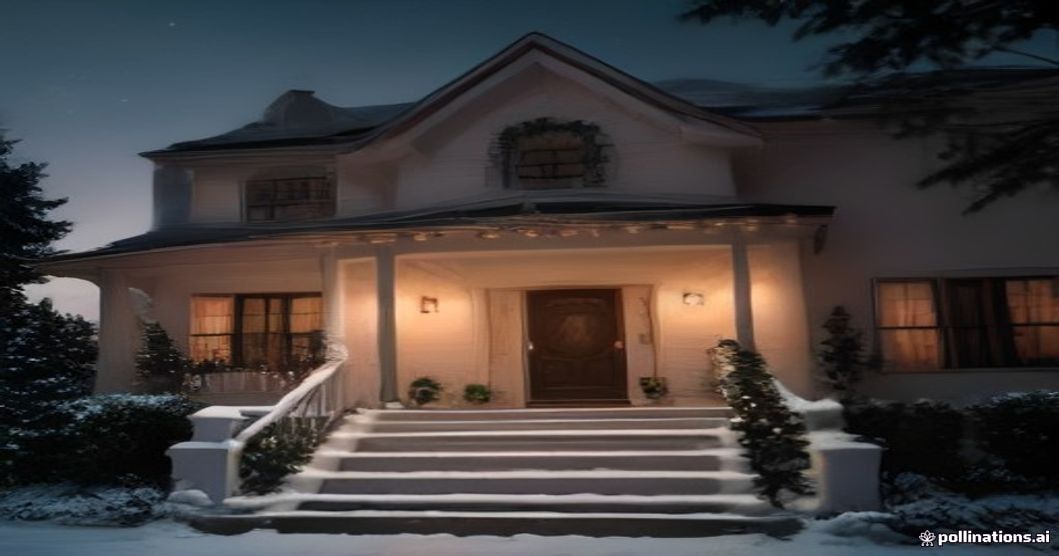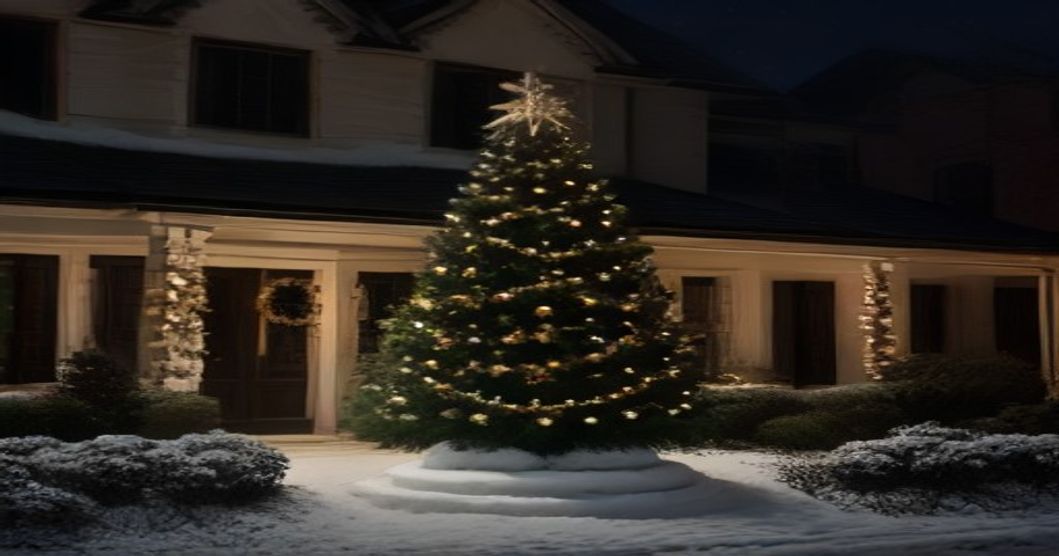
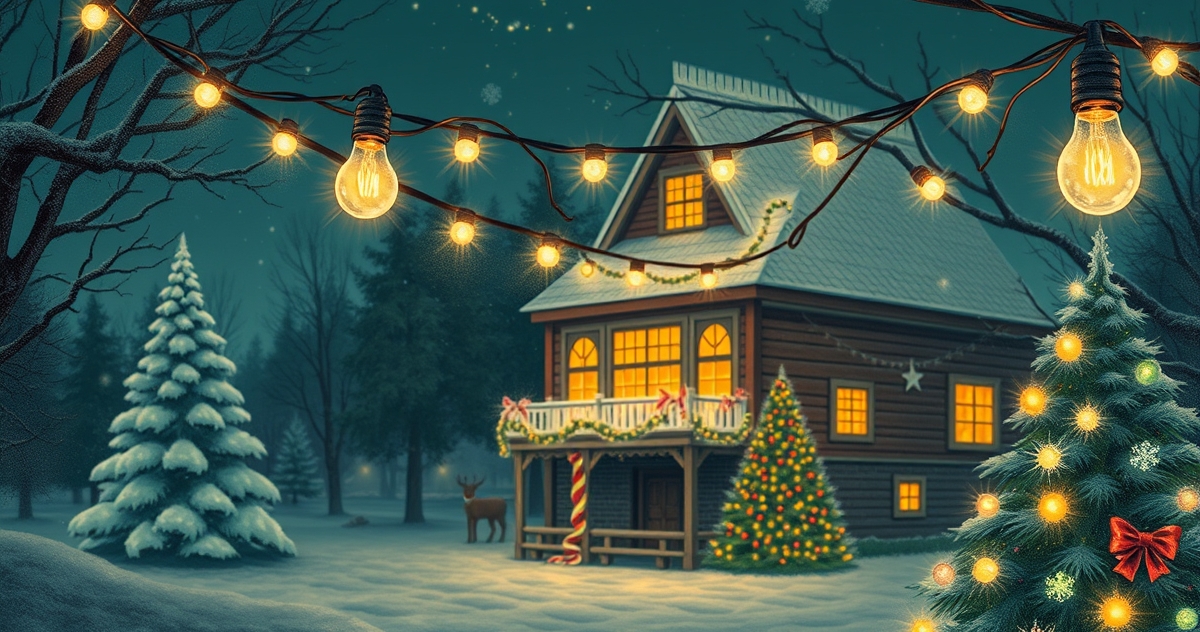
Picture the winter of 1880: hundreds of curious visitors making their way down a quiet New Jersey road, drawn by something they had never seen before — strings of glowing electric bulbs illuminating the outside of Thomas Edison's Menlo Park laboratory. There were no smartphones to photograph the moment, no social media to share the spectacle, yet word spread like wildfire. People traveled miles simply to stand in the glow of something magical. That singular moment planted a seed that would grow over the next 140 years into the billion-dollar decorative lighting industry we celebrate today — and it is why, every holiday season across Florida, neighborhoods shimmer with warm white Mini Lights and brilliant C9 bulbs strung from rooftops to garden hedges.
Thomas Edison's 1880 Menlo Park Display: Where It All Began
The history of outdoor string lights and LED technology begins, perhaps unexpectedly, not with a holiday tradition but with a publicity stunt. In December 1880, Thomas Edison strung electric incandescent bulbs along the outside of his Menlo Park, New Jersey laboratory and along the roadway leading to it. The display served a dual purpose: demonstrating the practical potential of his newly patented incandescent light bulb and generating public excitement for a technology most Americans had never encountered.
The effect was nothing short of revolutionary. Newspapers across the country reported on the glowing wonderland. Thousands of visitors made the pilgrimage to witness what many described as "daylight at midnight." Edison understood that light was not merely functional — it was emotional, theatrical, and deeply human. His outdoor display connected electric light to celebration and spectacle in a way that would echo through generations.
Just two years later, in 1882, Edward Johnson — a business associate of Edison — hand-wired 80 red, white, and blue light bulbs and strung them around a Christmas tree in his New York City home, creating what is widely considered the first electrically lit Christmas tree. A reporter who witnessed the display wrote about it in breathless detail, but much of the public assumed it was a hoax. Electric light was simply too extraordinary to believe. Yet the idea was out in the world, and it would not stay contained for long.
How String Lights Became a Mid-20th Century Holiday Staple
For the first few decades of the 20th century, electric Christmas lights remained a luxury reserved for the wealthy. Early light sets were expensive, sometimes dangerous, and required professional installation. Department stores and grand hotels adopted them enthusiastically — elaborate outdoor displays became a mark of civic pride and commercial ambition — but the average American household could only admire from afar.
Everything changed after World War II. The postwar economic boom, the rise of suburban neighborhoods, and mass manufacturing combined to make string light sets affordable and widely available. By the 1950s, companies like General Electric were producing standardized holiday light sets that families could purchase at five-and-dime stores for just a few dollars. The C9 bulb — that large, faceted, classic bulb shape that remains iconic today — became a defining feature of mid-century outdoor holiday displays. Strung along rooflines, wrapped around porch columns, and draped through shrubbery, C9 bulbs in red, green, blue, and warm white transformed American neighborhoods into glittering celebrations each December.
Television accelerated the trend dramatically. As families gathered around their sets to watch holiday specials, they saw elaborately decorated homes and began competing neighborly to create the most impressive outdoor displays. By the 1960s and 1970s, the outdoor string light display had become a quintessential American holiday tradition — a shared cultural language spoken in light. Municipalities began sponsoring community lighting contests, and commercial districts invested in large-scale decorative installations to draw shoppers during the holiday season.
The Mini Light — a smaller, more delicate bulb that allowed for greater density and versatility in decoration — emerged as a complement to the bold C9 during this era, eventually becoming the dominant choice for residential decorators who wanted to wrap trees, outline windows, or create a softer, more romantic glow. The combination of Mini Lights and C9 bulbs, used together in layered displays, remains a cornerstone of professional holiday lighting design to this day. You can explore both options in our full product collection, where we carry premium-grade bulbs suited to Florida's unique climate conditions.
The LED Revolution: Energy Efficiency Transforms Decorative Lighting
By the 1990s, the decorative lighting industry faced a growing challenge. Consumers loved their holiday string lights, but those traditional incandescent bulbs were energy hogs. A single string of C9 incandescent bulbs could consume 175 watts of power. A home with multiple roofline runs, tree wraps, and pathway lights might add hundreds of dollars to a December electricity bill. Additionally, incandescent bulbs ran hot — a genuine safety concern when lights were left on for long hours, as holiday displays typically are.
The solution arrived in the form of Light Emitting Diode (LED) technology. Though LEDs had existed in various forms since the 1960s, it was not until the late 1990s and early 2000s that manufacturers developed LEDs capable of producing the warm, attractive light that consumers expected from holiday displays. The early LED holiday lights were sometimes criticized for their cool, bluish tones, but rapid advances in phosphor coatings and chip design soon produced warm white LED options that rivaled the glow of traditional incandescents — while using up to 80% less energy.
The transformation of the decorative lighting industry was swift and comprehensive. LED Mini Lights that once cost a premium gradually became the standard, and today they represent the overwhelming majority of new string light sales. A set of LED C9 bulbs that covers an entire roofline now draws a fraction of the wattage of its incandescent predecessor, making elaborate outdoor displays financially accessible for a much broader range of homeowners and businesses. For Florida residents, where holiday lighting season runs from October through January and outdoor temperatures remain mild enough to leave displays illuminated for extended hours, the energy savings from LED technology are especially meaningful.
Beyond energy efficiency, LED technology brought other significant advantages. LED bulbs last dramatically longer than incandescents — often 25,000 to 50,000 hours compared to 1,000 to 2,000 hours for traditional bulbs — reducing both replacement costs and environmental waste. They are also more resistant to breakage, run cooler to the touch, and are available in a wider spectrum of colors and styles. The warm white LED, in particular, has become the gold standard for elegant residential and commercial holiday displays, replicating the nostalgic glow of vintage incandescents while delivering modern performance. Learn more about choosing the right bulbs in our C9 Bulbs Complete Buyer's Guide for Florida Homeowners.
Outdoor String Lights in Florida: A Year-Round Celebration
The history of outdoor string lights takes on a particular character in Florida. Unlike northern states where holiday lighting is constrained by freezing temperatures and snow, Florida's climate allows for a broader and longer celebration of decorative lighting. From the elaborate Christmas displays of Naples and Orlando to the tropical-themed light installations of Miami Beach, Floridians have embraced outdoor string lights with characteristic enthusiasm.
Florida homeowners often layer warm white Mini Lights through palm trees and tropical foliage, creating a luminous year-round aesthetic that blurs the line between holiday decoration and everyday outdoor ambiance. Commercial districts in cities like Tampa, Jacksonville, and Sarasota use large-format C9 bulb displays to create festive atmospheres that draw visitors and boost local economies during the holiday shopping season. Municipal clients across the state invest in professionally designed and installed lighting programs that transform public spaces into community gathering points. We are proud to serve all three of these client categories — residential homeowners, commercial businesses, and municipal governments — with the same level of craftsmanship and care that has defined our work since 2006.
If you are curious about what a professionally designed holiday lighting installation looks like in Florida's unique landscape, our recent recap of Florida home lighting celebrations offers an inspiring look at what is possible when expert design meets the beauty of the Sunshine State.
The Future of Decorative Lighting: Smart Technology and Sustainability
The story of outdoor string lights is far from finished. Today, the decorative lighting industry stands on the threshold of another transformative era driven by smart technology and sustainability. WiFi-enabled and app-controlled string lights allow homeowners to program dynamic color sequences, set automated schedules, and even synchronize their displays to music — capabilities that would have seemed like science fiction to the crowds marveling at Edison's Menlo Park display.
Solar-powered string lights are gaining traction in sun-drenched states like Florida, where abundant sunshine makes solar charging a genuinely practical option for pathway and garden lighting. Biodegradable packaging, recyclable components, and take-back programs are slowly becoming industry norms as manufacturers respond to consumer demand for more sustainable products.
Yet even as technology advances, the emotional core of outdoor string lights remains exactly what it was in 1880: the human desire to push back against darkness with something beautiful, to mark meaningful moments with light, and to share that light with neighbors and passersby. The warm white glow of a C9 bulb strung across a Florida roofline carries within it 140 years of wonder, innovation, and celebration.
Frequently Asked Questions
What was the first documented use of electric lights for outdoor decoration?
Thomas Edison's 1880 display at his Menlo Park, New Jersey laboratory is widely recognized as the first major public outdoor electric light display. He strung incandescent bulbs along the outside of his laboratory and the road leading to it, attracting thousands of visitors and sparking widespread public fascination with electric lighting. Edward Johnson's electrically lit Christmas tree in 1882 followed shortly after and is considered the first decorative use of electric lights for a holiday display.
What is the difference between Mini Lights and C9 bulbs for outdoor displays?
Mini Lights are small, low-profile bulbs that produce a delicate, high-density glow ideal for wrapping trees, outlining windows, and creating soft, romantic effects. C9 bulbs are larger, faceted bulbs that produce a bold, high-visibility glow suited for roofline runs, commercial displays, and large-scale installations. Many professional holiday lighting designs use both in combination — C9 bulbs for architectural outlines and Mini Lights for foliage and detail work — to create layered, visually rich displays.
How much energy do LED string lights save compared to incandescent bulbs?
LED string lights typically use 70% to 80% less energy than equivalent incandescent bulbs. For example, a standard incandescent C9 bulb consumes approximately 7 watts, while an LED C9 replacement consumes less than 1 watt. Over the course of a full holiday lighting season, this difference translates to significant savings on electricity bills — a particularly important consideration in Florida, where warm weather encourages longer daily display hours and extended seasonal use.
Why are warm white lights so popular for holiday displays in Florida?
Warm white lights produce a soft, golden-toned glow that evokes warmth, nostalgia, and elegance — qualities that translate beautifully to Florida's tropical landscape. Warm white Mini Lights draped through palm fronds or wrapped around tropical foliage create a luminous, resort-like ambiance that complements Florida's natural beauty. They are also highly versatile, working equally well for holiday-specific displays and year-round decorative lighting. Professional designers often use warm white as a foundational color, layering in accent colors for seasonal variation.
Should I hire a professional to install outdoor string lights, or can I do it myself?
While small-scale DIY installations are certainly possible, professional installation offers significant advantages in terms of safety, longevity, and visual impact. Professional installers use commercial-grade Mini Lights and C9 bulbs rated for Florida's humidity and UV exposure, employ industry-standard attachment methods that protect your home's exterior, and design displays that are custom-proportioned to your property. For roofline work, tall tree wrapping, or large-scale commercial installations, professional installation is strongly recommended for both safety and aesthetic results.
The glow of outdoor string lights has illuminated human celebration for nearly a century and a half, evolving from Edison's incandescent experiment to today's sophisticated LED technology without ever losing its essential magic. Whether you are drawn to the nostalgic warmth of classic C9 bulbs or the delicate shimmer of warm white Mini Lights through a Florida palm tree, that same spirit of wonder is alive in every installation. At Holiday Lights Decor Florida, we have been honoring that tradition since 2006, bringing professional-grade holiday lighting to residential, commercial, and municipal clients across the Sunshine State. Ready to transform your property with a custom-designed display? Our team of installation specialists is here to help — call us today at (908) 336-2625 or request a free quote online to get started.