Key Takeaways
- August is the smartest month to begin commercial holiday lighting consultations in Florida — municipal permits and HOA approvals routinely take 3–6 weeks.
- C9 bulbs along rooflines and canopies are the highest-visibility configuration for strip malls and standalone retail buildings, visible from parking lots and passing traffic.
- Professionally lit Florida storefronts report 20–30% increases in walk-in foot traffic during the November–January peak tourist season.
- Warm white lighting projects a sophisticated, welcoming ambiance, while multicolor displays drive impulse stops from families and tourists seeking festive atmosphere.
- Garlands, wreaths, and coordinated entrance décor extend your display beyond the roofline and reinforce brand identity at the point of entry.
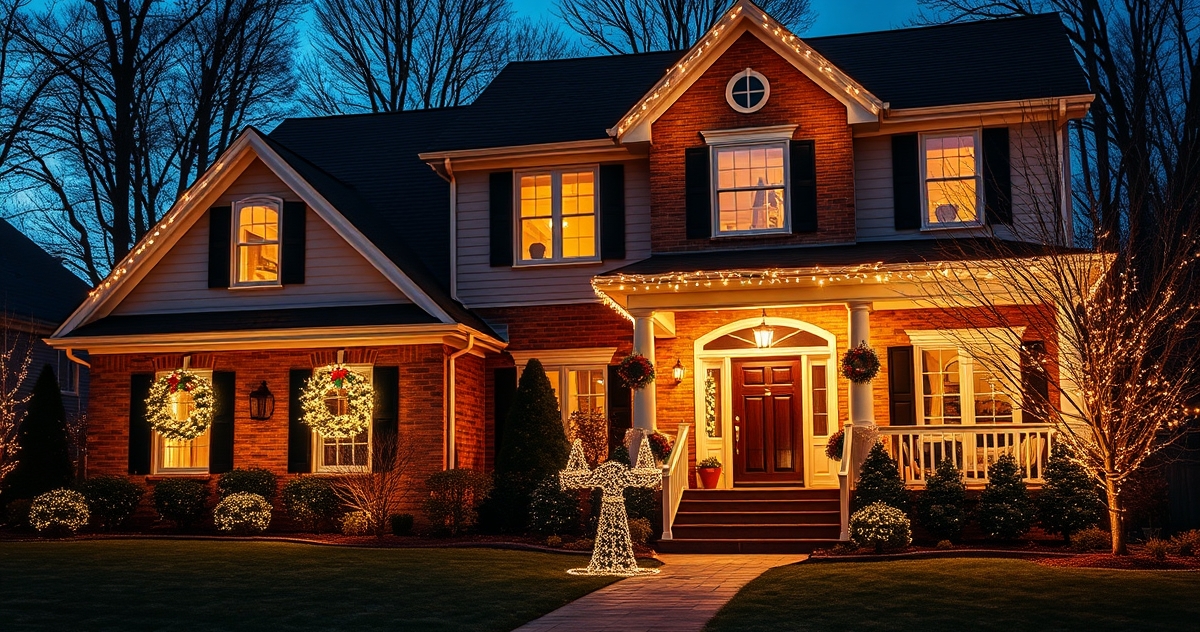
Picture this: it's the first weekend of December in Florida. The temperatures have finally dipped into the 70s, snowbirds have arrived in force, and families are cruising the main commercial corridors looking for somewhere to stop. Two strip malls sit side by side — one glows with warm white C9 bulbs tracing every roofline edge and canopy beam, garlands framing each storefront door, and a matching wreath on every window. The other is dark. Which one gets the cars turning in? The answer is obvious, and it all traces back to a planning conversation that happened in August. Commercial holiday lighting in Florida isn't a December decision — it's a late-summer strategy.
Why August Is the Non-Negotiable Planning Window for Florida Storefronts
August consultations give Florida commercial clients the time margin they need to handle every logistical step before peak installation season begins in October. There are three main reasons the calendar compresses faster than most business owners expect.
Permits and Municipal Approvals Take Longer Than You Think
Many Florida municipalities — particularly those in tourist-heavy coastal areas — require permits for any exterior lighting installation on commercial property that involves roofline attachment, temporary power runs, or displays above a certain square footage. Processing times range from 10 business days on the short end to 6 full weeks in busier jurisdictions. Submit in August, and approval arrives before your installer's schedule fills. Submit in October, and you may still be waiting when the calendar flips to November.
HOA and Property Management Timelines
Strip mall tenants often answer to both their own lease terms and the property management company or HOA overseeing the shared exterior. Getting written approval for specific light colors, mounting methods, and display footprints routinely requires submitting a design proposal, waiting for a board meeting, and receiving a written sign-off. August gives you two full review cycles before October's hard deadlines. If you're curious about the broader approval landscape, our guide on early-bird holiday lighting packages in Florida walks through what to bring to that first property management conversation.
Installer Availability Drops Sharply After September
Professional holiday lighting crews in Florida book out fast. By mid-October, preferred installation windows for commercial properties — especially those requiring lift equipment for tall canopies or second-story rooflines — are largely spoken for. Clients who consult in August get first selection of dates, equipment, and crew capacity. Our guide on early booking strategy explains exactly why the calendar math works the way it does for Florida's climate and tourism schedule.
C9 Bulbs: The Gold Standard for Commercial Rooflines and Canopy Configurations
C9 bulbs are the preferred commercial-grade choice for Florida storefronts because their large, faceted profile delivers maximum visibility at distance — critical when you need passing traffic and parking-lot shoppers to notice your display before they've decided where to stop.
Why C9s Work on Florida Commercial Buildings
Florida retail architecture typically features flat or low-pitch rooflines, wide canopy awnings over storefronts, and long horizontal eave lines — all ideal surfaces for C9 string runs. A standard strip mall bay measuring 25 feet wide by 12 feet tall can be outlined with a single 50-count C9 run along the roofline peak and a matching canopy drape, creating a defined, branded frame visible from 200 feet away. For a deep dive into bulb specifications, spacing, and socket options, see our complete C9 bulbs buyer's guide — much of the product information applies equally to commercial installations.
Warm White vs. Multicolor: Choosing the Right Color Strategy
Color temperature is a brand decision as much as an aesthetic one. Warm white C9s (roughly 2700K) read as upscale, timeless, and inviting — the right call for boutique retailers, restaurants, spas, and professional service offices that want to signal quality. Multicolor C9s generate energy, nostalgia, and visual excitement — powerful for toy stores, family dining, entertainment venues, and any business actively competing for the family-with-kids market during Florida's winter tourist influx. For a technical breakdown of color temperature and what each communicates to customers, our post on warm white vs. cool white lighting is worth sharing with your marketing team before your consultation.
Common C9 Configurations for Florida Retail
- Full roofline outline: C9s run continuously along the peak of the roofline and down the vertical corners of each building bay. Works best on standalone retail buildings with defined architectural edges.
- Canopy drape: C9 strings draped in scallop or straight-line patterns beneath canopy fascia boards, illuminating the pedestrian walkway below and creating a tunnel-of-light effect in strip mall corridors.
- Parapet cap lighting: For flat-roofed commercial buildings, C9s mounted along the interior of the parapet wall cast upward light that creates a soft halo visible from the street.
- Column wrap: Exterior columns at entrance points wrapped with C9 strings to define the entry experience and draw customers from the parking lot directly toward the door.
Garlands, Wreaths, and Entrance Décor That Convert Browsers to Buyers
Roofline lighting draws attention from a distance; entrance-level décor closes the deal at the door. Garlands and wreaths signal that your business has invested in the season — and that investment communicates care, attention to detail, and an experience worth entering.
Garland Placement for Maximum Commercial Impact
For storefronts, garland works hardest when placed at eye level and slightly above — doorframe surrounds, column bases, window ledge railings, and fence lines along outdoor seating areas. A 9-foot pre-lit garland in mixed green with warm white micro-lights frames a standard commercial doorway completely, creating a welcoming portal effect that photographs well for social media — itself a secondary marketing benefit. Our garland styling guide includes outdoor and commercial placement strategies alongside the residential techniques.
Wreaths as Brand Signifiers
Wreaths mounted on exterior windows, above doorways, or on lamp posts and bollards throughout your parking area give your entire property a coordinated, designed appearance rather than a piecemeal one. For commercial displays, 24-inch to 36-inch wreaths with bold red bows and warm white accent lighting are the most visible size range. For guidance on selecting the right bow style and material for outdoor Florida conditions — where humidity and afternoon rain are real factors — see our bow selection guide.
The ROI Case: What Professionally Lit Storefronts Earn During Florida's Peak Tourist Season
Florida's November–January window is unlike any other retail season in the country. The state's population swells by millions as snowbirds arrive from northern states and international tourists fill coastal destinations. That captive audience is actively looking for experiences — and visual cues like holiday lighting are proven decision drivers.
Foot Traffic Data and Revenue Impact
Retail studies consistently show that exterior lighting increases storefront dwell time and walk-in conversion. A 2023 retail environment survey found that storefronts with professionally installed holiday displays saw an average 22% increase in unplanned walk-in visits during the November 15–January 5 window compared to the same period the prior year without lighting. In Florida's coastal and suburban commercial corridors, where tourists are unfamiliar with local businesses and rely on visual cues to decide where to shop or eat, that number trends toward the upper end — some operators report 30% or higher lift in first-time customer entries.
Cost-Per-Impression Comparison
| Marketing Channel | Estimated Monthly Cost (Mid-Size Florida Retail) | Estimated Impressions/Month | Cost Per 1,000 Impressions |
|---|---|---|---|
| Professional Holiday Lighting Display | $600–$1,200 (amortized over season) | 40,000–80,000 (drive-by + walk-by) | $8–$20 |
| Local Digital Display Advertising | $800–$2,000 | 15,000–35,000 | $30–$60 |
| Direct Mail Campaign | $500–$1,500 | 2,000–8,000 | $100–$250 |
| Social Media Paid Ads (local geo) | $400–$1,000 | 10,000–25,000 | $25–$50 |
Holiday lighting isn't just décor — it's one of the most cost-efficient impression-generating tools available to a Florida retail business during the season when impressions matter most. For a broader analysis of how lighting investments translate into year-round foot traffic strategy, our post on commercial holiday lighting and foot traffic covers multi-season approaches beyond the November–January window.
What Your August Consultation Should Cover
A productive August planning session with your commercial holiday lighting provider isn't a casual conversation — it's a structured pre-production meeting. Come prepared with the following, and expect your provider to deliver specifics in return.
What to Bring to Your Consultation
- Site measurements or architectural drawings — roofline linear footage, canopy dimensions, column heights, and door count.
- HOA or property management contact information — your provider can often handle the approval paperwork on your behalf if they have the right contact.
- Brand color guidelines — if your business has defined brand colors, your provider needs to know whether warm white, cool white, or a specific multicolor palette aligns with your identity standards.
- Prior-year feedback — if you've run a holiday display before, what worked visually and what felt underwhelming? Specific feedback accelerates the design process.
- Budget range — commercial installations vary from $800 for a modest single-bay storefront to $8,000+ for full-campus commercial property displays. Knowing your range lets your provider design to maximum impact within it.
What Your Provider Should Deliver
- A written design proposal with product specifications (bulb type, count, colors, garland lengths, wreath sizes)
- A permitting checklist for your specific municipality
- A proposed installation date with contingency dates
- A removal and storage plan (coordinated takedown matters as much as installation for commercial clients managing lease terms)
- A service agreement covering maintenance visits if a bulb or section fails during the season
To explore the full range of commercial services available, visit our commercial holiday lighting services page.
Palm Trees, Landscape Features, and the Complete Commercial Property Picture
Florida storefronts don't end at the roofline. Parking lot palms, landscape beds along building foundations, and perimeter fencing are all part of the visual environment your customers experience from the moment they pull in. Integrating these elements into your holiday lighting plan creates a cohesive property-wide presentation rather than a roofline-only display.
Wrapping parking lot palms with warm white or multicolor mini lights is one of the most distinctly Floridian holiday lighting techniques — and one that photographs beautifully for your social channels. Our guide on wrapping palm and tropical trees with Christmas lights covers the professional techniques that keep palm fronds healthy and ensure even light distribution. Foundation shrubs and hedge lines along your building perimeter can be netted or individually wrapped to extend the luminous effect all the way to the sidewalk level. See our Florida bush and shrub lighting guide for commercial landscape applications.
Frequently Asked Questions
How far in advance should a Florida storefront book commercial holiday lighting?
Florida commercial storefronts should book their holiday lighting installation no later than September, with August consultations being ideal. Premium installation slots — particularly those requiring lift equipment for tall canopies or rooflines above 15 feet — are typically fully booked by mid-October. Starting in August also allows adequate time for municipal permit processing, which can take 3–6 weeks in many Florida jurisdictions, and for property management or HOA approval cycles that often require board meeting sign-off.
What is the best light type for a Florida strip mall roofline?
C9 bulbs on commercial-grade SPT-1 or SPT-2 wire are the industry standard for Florida strip mall rooflines and canopy fascia. Their large, faceted profile generates maximum brightness per socket, they're visible from 150–200 feet in open parking lots, and commercial-grade C9 LED versions are rated for outdoor use in high-humidity and UV-exposure conditions — both critical for Florida's climate. Warm white C9s at 2700K are the most popular choice for upscale retail corridors; multicolor C9s drive higher visual excitement for entertainment and family-oriented businesses.
Do Florida commercial properties need a permit for holiday lighting?
It depends on the municipality and the scope of the installation. Many Florida cities and counties require a permit when holiday lighting involves roofline attachment hardware, temporary electrical connections to building circuits, or displays that exceed a certain size or wattage threshold. Coastal tourist-area municipalities tend to have stricter review processes than inland suburban communities. Your lighting provider should be familiar with local requirements and can often manage the permit application on your behalf — another reason why August planning meetings are essential.
What ROI can a Florida storefront expect from professional holiday lighting?
Retail data consistently shows professionally lit Florida storefronts experience 20–30% increases in unplanned walk-in foot traffic during the November 15–January 5 peak season. For Florida specifically, where the snowbird and tourist population influx adds millions of unfamiliar visitors who rely on visual cues to decide where to shop or dine, the upper end of that range is commonly reported. When measured as a cost-per-impression marketing channel, professional holiday lighting typically outperforms local digital advertising, direct mail, and social paid ads on a cost-efficiency basis during this specific seasonal window.
Can garlands and wreaths withstand Florida's December humidity and rain?
Yes — commercial-grade outdoor garlands and wreaths are constructed with UV-stabilized PVC foliage, weather-sealed wire harnesses, and rust-resistant hardware specifically designed for high-humidity coastal environments. Pre-lit garlands using sealed LED micro-light sets are rated for full outdoor exposure. Red velvet bows should be replaced with weather-resistant ribbon or poly-mesh alternatives for Florida installations. Your provider should specify outdoor-rated products exclusively for any exterior commercial display; interior-grade décor will degrade rapidly in Florida's outdoor conditions.
What happens to the lighting equipment after the season ends?
Most professional commercial holiday lighting companies offer coordinated removal and storage services as part of the installation package or as an add-on. This typically involves a scheduled January takedown, inspection of all equipment for damage or degraded components, and storage of client-owned assets in a climate-controlled facility until the following season. Some providers offer a lease model where equipment remains their property and is refreshed annually. Either arrangement eliminates the internal labor and storage burden for your business. Learn more about our removal and storage services.